
927B, Mobolaji Giwa Crescent,
Omole Phase II Estate,
Olowoira, Lagos.

About Us
CBO Geospatial Limited is a leading land survey company dedicated to providing comprehensive geospatial solutions tailored to meet the unique needs of our clients. With a commitment to accuracy, innovation, and reliability, we have established ourselves as a trusted partner for a wide range of industries, from real estate and construction to urban planning and environmental management.
Conatct Us



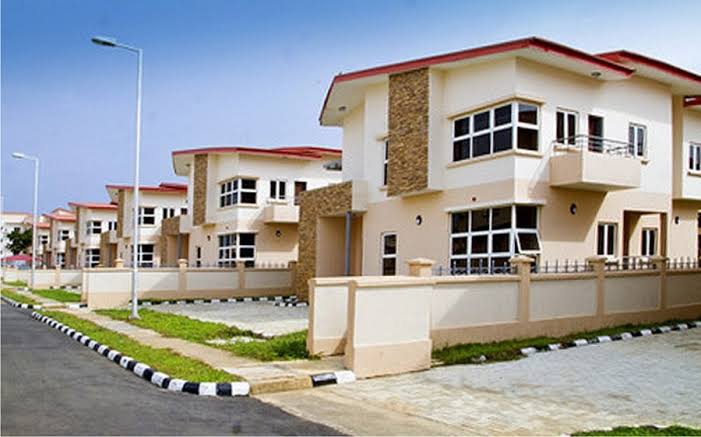
Buying land or a house in Nigeria is a big achievement for many people. Some people save for years to buy their first plot of land. Others buy property as an investment, to build a family home or to prepare for retirement. Unfortunately, because property involves a lot of money, it also attracts fraudsters.
Real estate scams in Nigeria come in different forms. Sometimes the person selling the property does not own it. Sometimes the same land has been sold to three or four different people. Sometimes the documents are fake. In other cases, the land actually exists, but there is a serious problem with the title that the seller deliberately fails to mention. One of the most common mistakes people make is believing that seeing the land means everything is fine.
Imagine that someone takes you to a piece of land in Ibeju-Lekki. You walk around it, take pictures and even meet people in the area. The agent tells you, “This land is 100 per cent genuine.” You may naturally feel comfortable because you have physically seen the land.
But seeing land does not tell you who owns it. The person showing you the land may have absolutely no legal right to sell it. That is why buying property requires more than physical inspection.
Another common problem is the sale of the same property to different people. A dishonest owner may collect money from one buyer today and sell the same land to another buyer six months later. This is particularly dangerous where the first buyer pays and then leaves the land empty for years without properly completing the documentation.
There is also the problem of fake or questionable documents. Someone may show you a certificate of occupancy, deed of assignment, governor’s consent or survey plan. The document may look impressive, complete with stamps and signatures. Do not assume it is genuine simply because it looks official.
Documents should be independently checked. Your lawyer should carry out the necessary searches at the appropriate land registry and other relevant government offices where required. A surveyor may also need to confirm that the survey you have been given actually relates to the land you were shown
Family land is another area where buyers need to be very careful. You may meet a man who introduces himself as the head of the family. He tells you that the land has belonged to his family for generations and that he has authority to sell it. You pay him, only for other members of the family to appear later and say they knew nothing about the sale. At that point, you may find yourself in the middle of a family dispute that started long before you arrived. If you are buying family land, proper enquiries should be made about who has authority to sell and whose consent is required. Do not simply rely on the loudest person in the family.
We also have the well-known problem of “omo onile” in some parts of the country, particularly Lagos. A buyer may genuinely purchase land and later face different people demanding money for foundation, fencing, roofing or other stages of construction. This is another reason why you should understand the history and situation of the land before buying.
Developers are not left out. Most property developers are carrying on genuine businesses, but buyers still need to do their homework. Do not allow a beautiful office, Instagram page, celebrity advertisement, billboard or expensive brochure to replace proper investigation. If a company tells you it is selling land, ask a simple question: what right does this company have to sell this land?
If you are buying a house that has not yet been built, find out exactly what you are paying for, when it should be completed, and what happens if the developer fails to deliver. Read the agreement before paying. Do not wait until there is a problem before discovering what you signed.
Another warning sign is unnecessary pressure. “Oga, you have to pay today.” “Madam, another buyer is waiting.” “The price will increase tomorrow morning.” “This is the last plot.” Sometimes these statements may be true. Property prices do change and other buyers may genuinely be interested. But you should never transfer millions of naira simply because somebody has frightened you into believing that you will miss an opportunity.
If the property cannot survive a few days of proper investigation, you should ask yourself whether it is worth risking your savings. Be particularly careful when dealing with agents. There are many honest and hardworking property agents in Nigeria, but there are also people who become “agents” simply because they know somebody who knows somebody selling land. Ask questions. Who appointed the agent? Who is the actual owner? Who will receive the purchase money? What is the agent’s role in the transaction?
You should also be careful about where you send money. If you are buying property from a company and suddenly you are told to transfer ₦30 million into an individual’s personal account, ask why. Make sure every payment is properly recorded and obtain receipts.
Nigerians living abroad face even greater risks because they often depend completely on people back home. Your cousin may be trustworthy, but your cousin may also have been deceived. The fact that somebody is your relative does not make him a property lawyer, surveyor or land expert. Trust your family, but still carry out proper checks. Perhaps the most important advice I can give is to involve your lawyer before you pay, not afterwards.
Too often, somebody pays ₦20 million, ₦50 million or even ₦100 million and then brings the documents to a lawyer saying, “Please help me check if everything is okay.” By then, the money has gone.
A lawyer should investigate the property, review the documents and advise you before you make a substantial payment. Where necessary, a registered surveyor and other professionals should also be involved. There is nothing wrong with being careful with your own money. A genuine seller should understand why someone spending millions of naira wants to carry out proper checks.
The simple rule is this: do not allow excitement to come before investigation. That beautiful piece of land will not look beautiful if you spend the next ten years fighting over it in court. Check who owns the property. Check the documents. Inspect the land. Investigate the title. Understand what you are signing. Keep proper records of every payment. Most importantly, get independent professional advice before handing over your money. Preventing a property problem is usually much cheaper than trying to solve one after millions of naira have been lost.
This article is for general information only and does not constitute legal advice. If you or a relative is planning to buy land or a house in Nigeria, has concerns about a property transaction, or needs help checking a property before paying, you are welcome to contact me for free initial legal advice. I can also assist with property searches, due diligence, documentation, purchase and perfection of title to help make your transaction as safe as possible.